

In sterile pharmaceutical production, the integrity of IV bags represents a critical control point that directly impacts patient safety and therapeutic outcomes.
A single compromised container can lead to contamination, product loss, or therapeutic failure, which are consequences that extend far beyond immediate production concerns to encompass regulatory violations, product recalls, and potential harm to patients.
For pharmaceutical manufacturers, leak testing serves as an essential quality assurance measure that addresses three fundamental business drivers: patient safety, compliance risk, and production efficiency.
This checklist provides pharmaceutical decision-makers with expert-informed guidance for selecting IV bag integrity testing systems designed to support quality assurance.

Selecting the Right Leak Detection Method for IV Bags
The choice between Vacuum Decay and High Voltage Leak Detection (HVLD) represents a fundamental decision that impacts testing accuracy, operational efficiency, and regulatory compliance.
While both methods have applications in pharmaceutical packaging, the unique characteristics of flexible IV bags create clear advantages for Vacuum Decay technology.
- Vacuum decay testing excels with flexible containers because it responds to the total package integrity rather than relying on electrical conductivity, which can vary significantly across bag surfaces and seam areas.
- HVLD struggles in the presence of conductive solutions and with bag size variations as well as detecting leaks at seam interfaces where electrical resistance varies.
From a regulatory perspective, Vacuum Decay aligns with ASTM F2338 standards, providing a clear validation pathway that regulatory bodies recognize and accept. HVLD lacks this standardized framework for flexible containers, requiring manufacturers to develop alternative validation approaches that may face increased scrutiny during inspections.
Learn more about the difference between Vacuum Decay and HVLD here.
Regulatory Compliance Is Non-Negotiable
Selecting an IV bag leak testing system is not just about technical performance, it’s about ensuring the system is built to satisfy today’s stringent and evolving regulatory expectations.
At a minimum, your system should demonstrate compliance with:
- USP <1207>: This U.S. Pharmacopeia chapter sets deterministic test methods, like Vacuum Decay, as the gold standard over probabilistic methods such as Blue Dye Ingress. Deterministic testing provides quantifiable, reproducible results, which regulators now expect.
- EU Annex 1: Emphasizes container closure integrity (CCIT) throughout the product lifecycle, including visual inspection and leak testing for sterile medicinal products.
- FDA cGMP: FDA’s current Good Manufacturing Practices demand that manufacturers prove product sterility and integrity, with processes documented and verified across batches.
- 21 CFR Part 11: Regulates electronic records and signatures, making digital traceability and system security essential features of any modern testing platform.
In accordance to 21 CFR Part 11 and pharmaceutical industry requirements, your system should include:
- Automatic audit trails that track all user actions and test results
- Secure electronic signatures that are traceable and tamper-evident
- Automated reports and standardized data formats for easier inspections and integration
Whether your facility serves U.S., EU, or global markets, the right equipment must enable compliance from installation to inspection.
Protecting Product Integrity with Non-Destructive Testing
Non-destructive testing is a cornerstone of modern pharmaceutical quality control, especially for IV bags containing high-value or limited-supply formulations. This method enables complete integrity testing without compromising the sterility or usability of the product, meaning every unit can be tested and still released for distribution.
Key advantages include:
- Preserves Sterility: No physical penetration, fluid contact, or stress applied to the IV bag means zero contamination risk during inspection.
- Reduces Product Waste: Tested bags can be returned to inventory—even in launch or shortage scenarios—saving cost and preserving supply.
- Minimizes Mechanical Stress: Unlike methods that squeeze or electrify bags, vacuum decay testing applies uniform, controlled pressure, avoiding micro-damage that could lead to downstream failures.
- Protects Aseptic Integrity: Since there’s no container disturbance, integrity established during filling and sealing is preserved through testing and transport.
“With non-destructive methods like vacuum decay, manufacturers no longer have to choose between quality control and product availability. It’s a critical shift that improves safety, reduces waste, and supports real-time decision making in modern pharma environments.” - Serena Santi, Global Commercial Director
Non-destructive testing isn’t just a nice-to-have, it’s a strategic investment in operational efficiency. Learn more about vacuum decay testing options here.
Supporting High Throughput and Format Flexibility
To keep up with high-speed production, IV bag leak testers must deliver fast cycle times without sacrificing accuracy.
Systems built for speed help eliminate bottlenecks and support real-time quality assurance, which is essential in today’s demanding pharma environments. However, format flexibility is equally important.
Modern production lines often handle IV bags in multiple sizes, shapes, and configurations, including multi-chamber formats or bags with ports.
As such, testing systems should:
- Support quick format changeovers without tool swaps.
- Handle a variety of bag types without losing sensitivity.
- Maintain validation status when switching between formats.
This flexibility allows manufacturers to adapt quickly to market demands, optimize line use, and reduce downtime without compromising test reliability.
Streamlining Validation and Qualification Processes
 Validation can be time-consuming, but the right testing system makes it easier. Look for solutions that offer:
- Included IQ/OQ protocols to reduce user workload.
- Method development templates for faster setup.
- Certified calibrated leaks to ensure repeatable, traceable sensitivity checks.
- Support for ongoing performance verification to maintain compliance over time.
Choosing a system with built-in validation support not only speeds up implementation, it ensures long-term reliability and audit readiness.
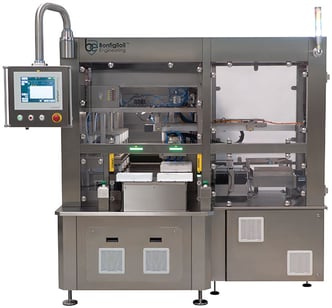
Take a quick look at the IVB Flex, which delivers CCIT for IV bags, combining advanced vacuum decay technology with a magnetic levitation transport system to deliver unparalleled accuracy and efficiency.
Reducing Downtime Through Smart Maintenance Design
Operational efficiency depends heavily on system availability, making maintenance design a critical selection criterion.
- User-friendly systems featuring easy-clean chamber designs address one of the most common causes of unplanned downtime: product spills and contamination.
- Removable chamber plates allow thorough cleaning without tools or specialized training.
- Smart maintenance design extends beyond cleaning accessibility to encompass wear part identification and replacement procedures.
- Systems that clearly indicate component life cycles and provide intuitive replacement procedures reduce dependence on specialized maintenance personnel.
Preventive maintenance programs benefit from systems designed with monitoring and diagnostic capabilities. Real-time performance tracking can identify developing issues before they impact production, allowing scheduled interventions that minimize disruption. Features like automatic calibration reminders, seal wear indicators, and chamber contamination detection transform maintenance from reactive firefighting to proactive optimization.
The financial impact of reduced downtime extends beyond immediate production losses. Consistent system availability improves production planning accuracy, reduces inventory buffer requirements, and enhances customer confidence in supply reliability.
Enabling Data Integrity and Seamless Integration
Leak testing systems should connect seamlessly with your manufacturing execution system (MES) and support digital compliance from day one.
Look for systems that offer:
- Real-time MES connectivity for faster batch record updates and traceability
- Automated, CFR Part 11-compliant reports to reduce manual entry and human error
- Flexible data formats and protocols to ensure compatibility with future tech and evolving regulations
By integrating leak testing into your digital quality ecosystem, you gain greater visibility, faster decisions, and simplified audits.
Investing in the Right IV Bag Testing System for End-to-End Compliance and Performance
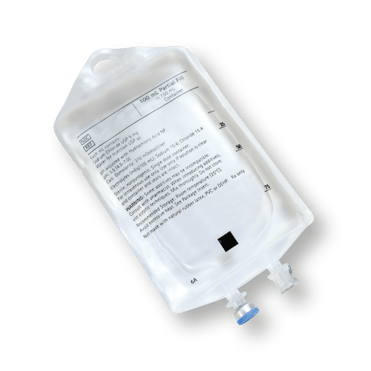 The ideal IV bag integrity testing solution delivers more than accurate leak detection; it provides a foundation for regulatory confidence, operational agility, and uncompromising product protection throughout the manufacturing lifecycle.
By evaluating systems against comprehensive criteria encompassing technical performance, regulatory alignment, and operational integration, pharmaceutical manufacturers can select solutions that address immediate needs while supporting long-term strategic objectives.
Investment in the right IV bags testing system pays dividends through reduced regulatory risk, improved product quality, and enhanced operational efficiency.
“As container closure integrity testing continues to evolve from a quality checkpoint to a core manufacturing competency, the selection of appropriate technology becomes a strategic decision that impacts organizational success across multiple dimensions.” - Serena Santi, Global Commercial Director
Curious to learn more?
Don’t forget to download our PDF checklist.
Check out our related resources or reach out to our expert team to discuss your IV bag testing needs.
- LDB-Pro IV Bag Leak Tester, ideal for CCIT of IV bags ranging from 50 mL to 1 L in environments where space and convenience are critical.
- IVB Flex Leak Detection System for IV Bags, designed for filled IV bags from 50 ml up to 1 L.
- Pharmaceutical Packaging Testing Product Options
We are not just a machine manufacturer. We are your trusted partner for packaging integrity testing and analysis through feasibility studies, technical expertise, validation packages, product handling and custom-built solutions.
